The accessible kitchen
%20(2).png)
%20(2).png)
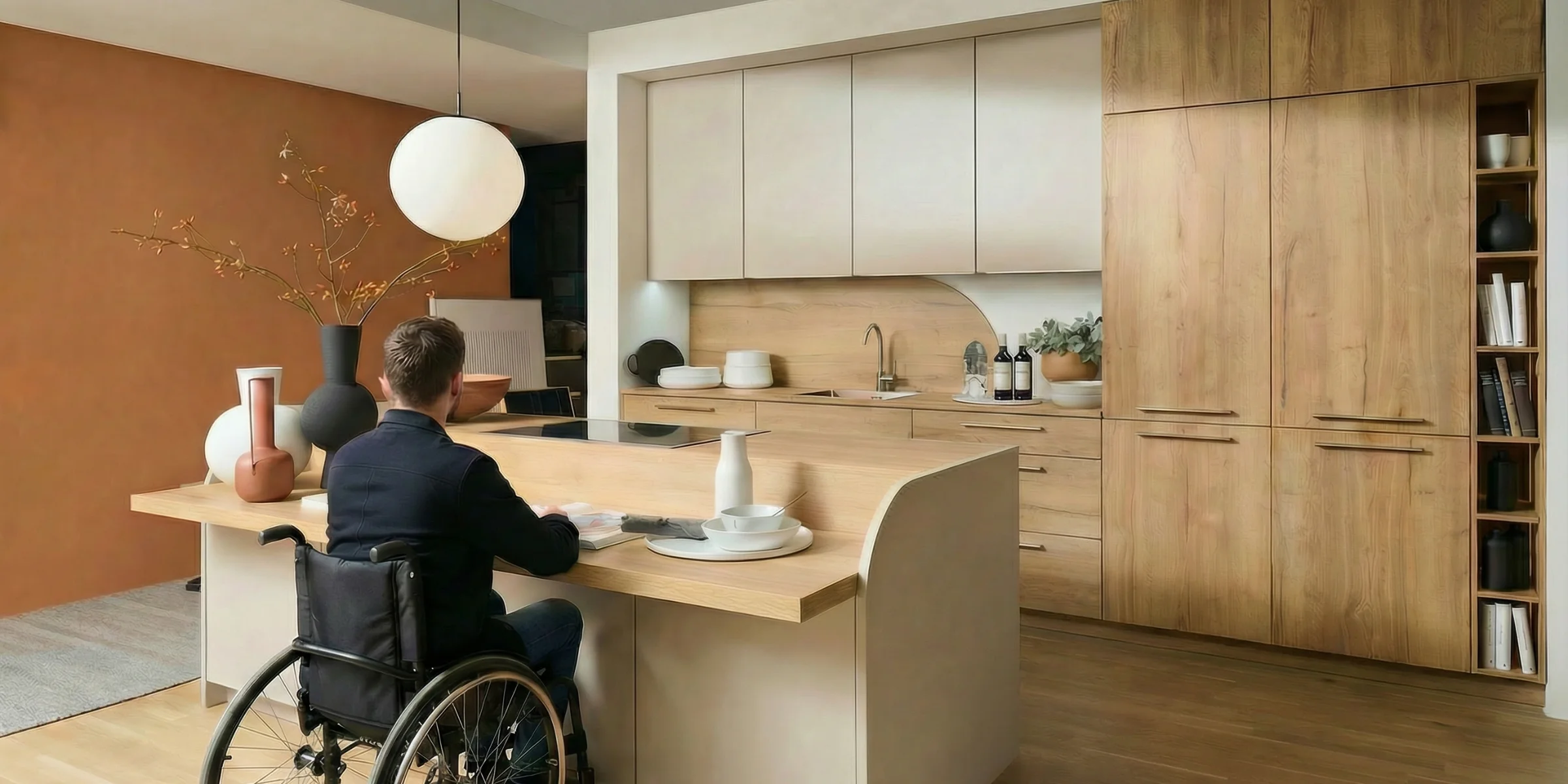
A barrier-free kitchen allows you to use this central living space comfortably, safely, and independently—regardless of your age or physical condition. It's no longer just about limitations, but about greater freedom of movement, better ergonomics, and planning that is tailored to your individual needs. Today's modern kitchens can be designed to be barrier-free without compromising on design, storage space, or functionality. The key is thoughtful planning that balances everyday life and comfort.
What does a barrier-free kitchen mean?
A barrier-free kitchen is designed so that it can be used without obstacles. All important areas are easily accessible, movement areas are sufficiently dimensioned, and working heights are ergonomically adapted. The aim is to shorten distances, reduce effort, and increase safety in everyday kitchen use.
The term "barrier-free" is also frequently used. While barrier-free kitchens are consistently designed for maximum accessibility, barrier-free kitchens focus specifically on areas where the greatest relief is needed in everyday life – for example, through ergonomic working heights, smooth-running pull-outs, or easily accessible electrical appliances.
Who would benefit from a barrier-free kitchen?
A barrier-free or low-barrier kitchen is a sensible solution for many situations in life:
- for people with physical limitations
- for wheelchair users
- for seniors
- for families who want to plan for the long term and future-proof their home
- for anyone who values ergonomic and comfortable working conditions
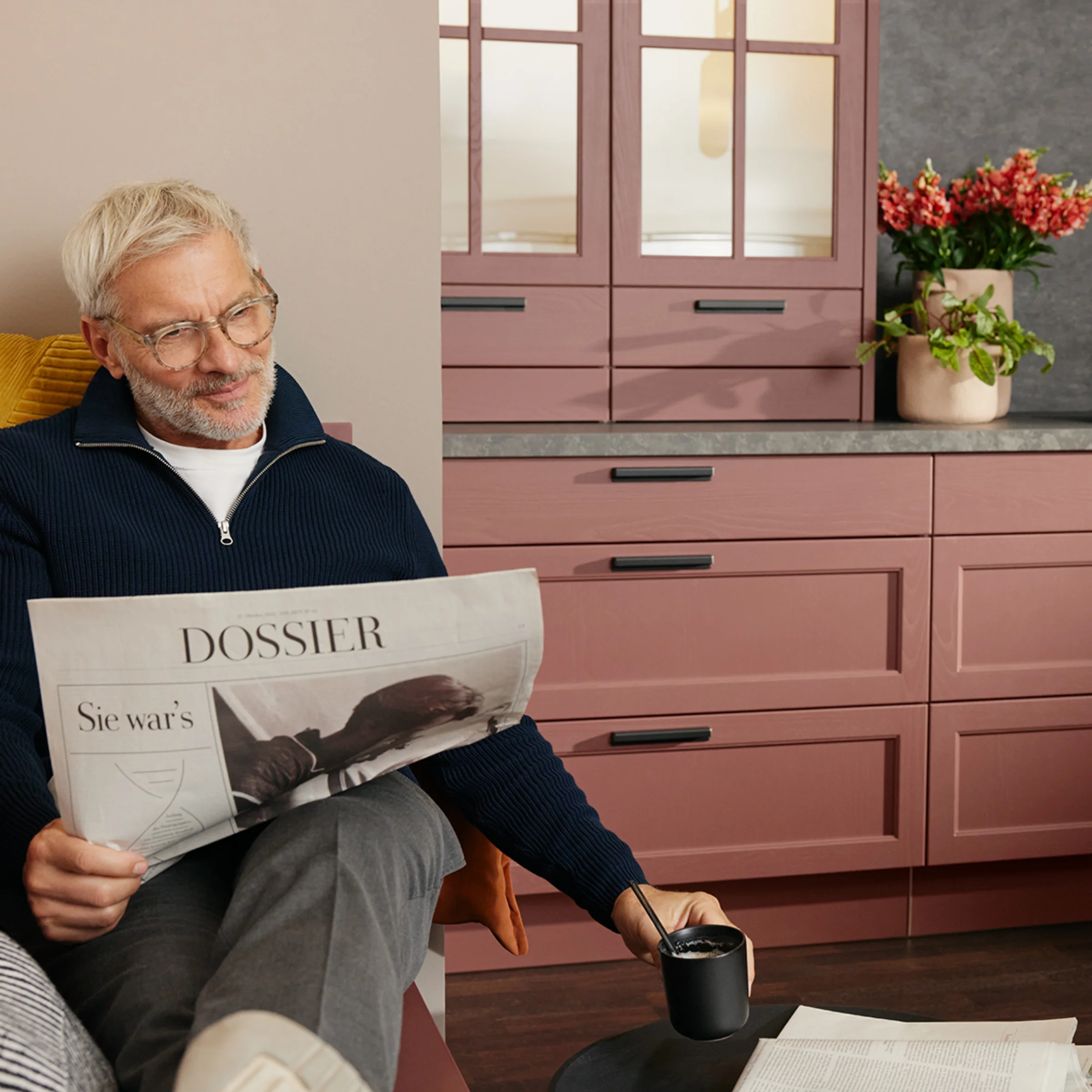
Regardless of the specific occasion, the following applies: those who plan for accessibility today are investing in comfort and flexibility for many years to come.

Key planning factors for a barrier-free kitchen
Ergonomic working heights
The correct working height is one of the most important aspects of barrier-free kitchen planning. It should be based on your height and your preferred working posture. Work surfaces that are too high or too low quickly lead to physical strain and unnecessary exertion.
Modern kitchen designs allow the working height to be customized—for example, through different cabinet heights or specific height gradations within the kitchen. This allows the cooking, washing, and preparation areas to be optimally tailored to your needs.

Movement areas and accessibility
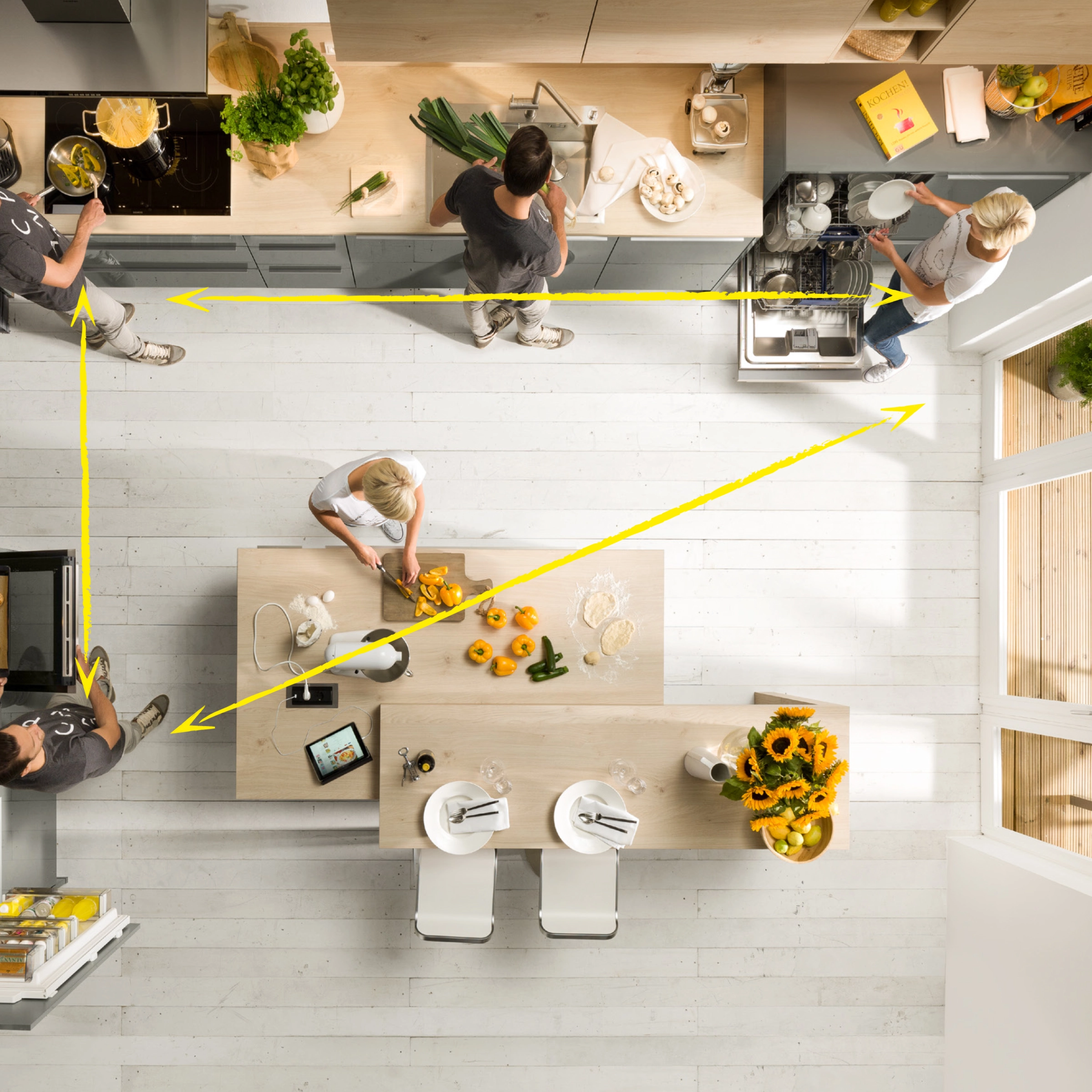
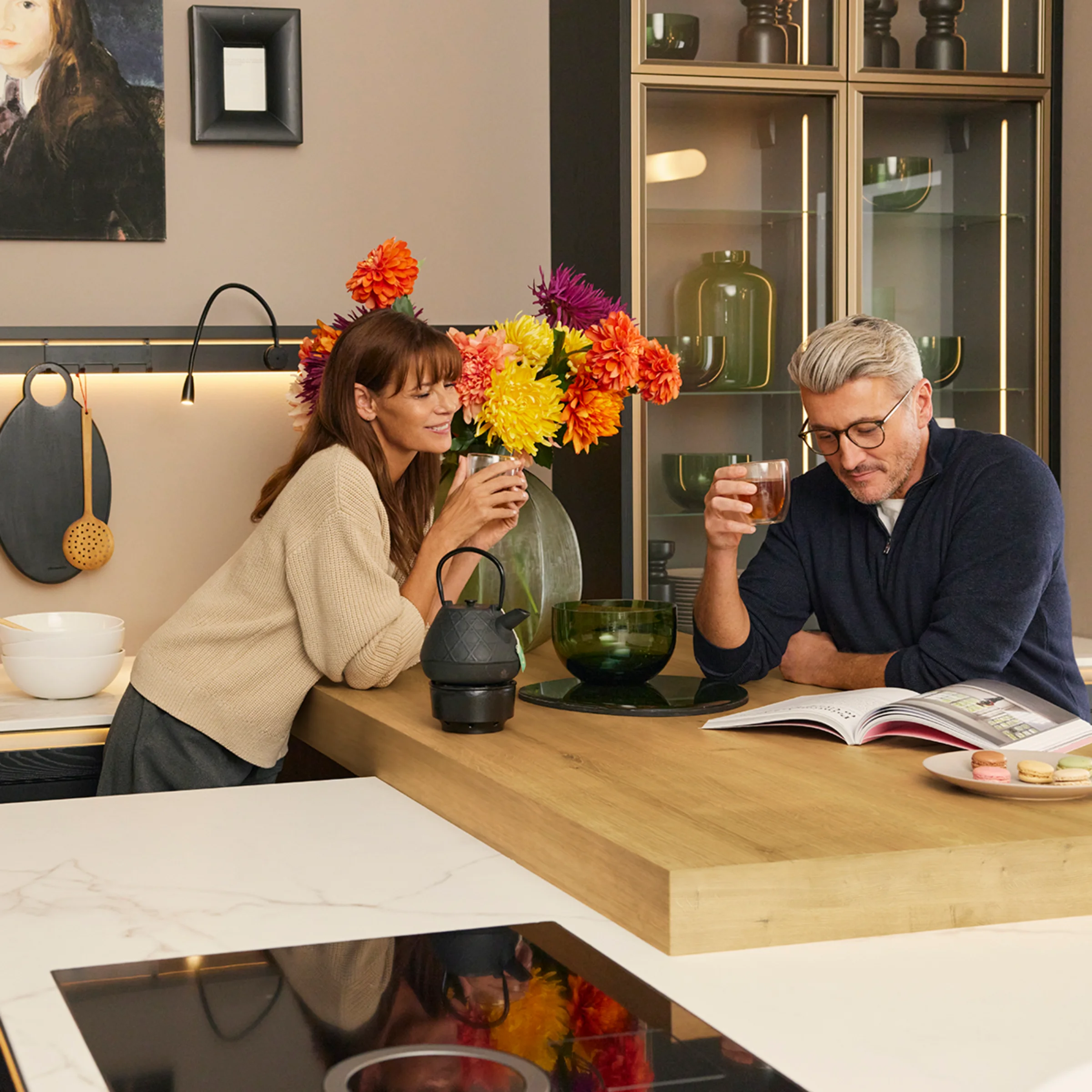
Sufficient space to move around is crucial for being able to move safely and freely in the kitchen. Wide passageways, easily accessible work areas, and clear structures make everyday life much easier. It is particularly important that all central functions are within easy reach.
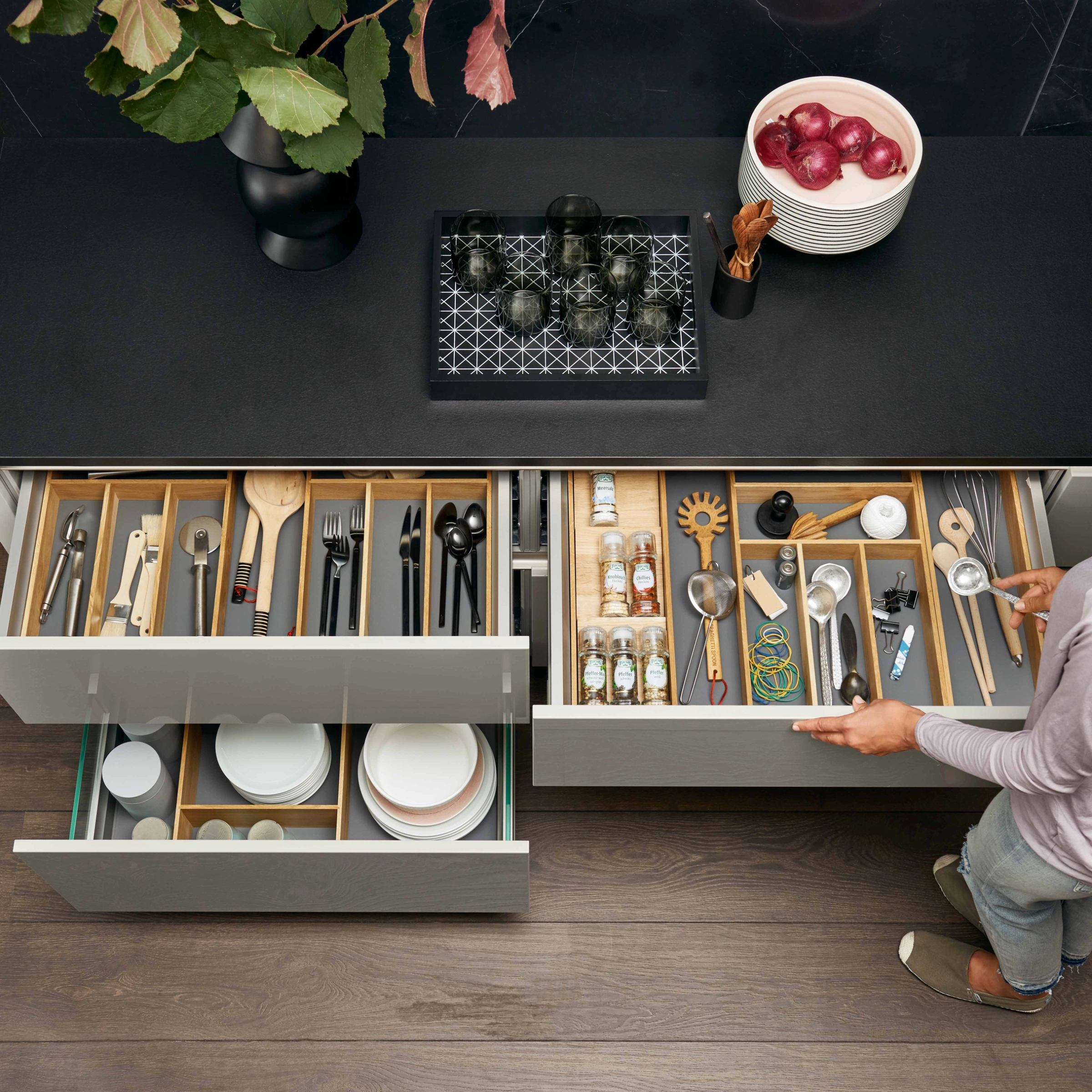
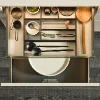
Accessibility also plays a major role: frequently used utensils should be located in easily accessible pull-outs or cabinets without the need to bend down or stretch.
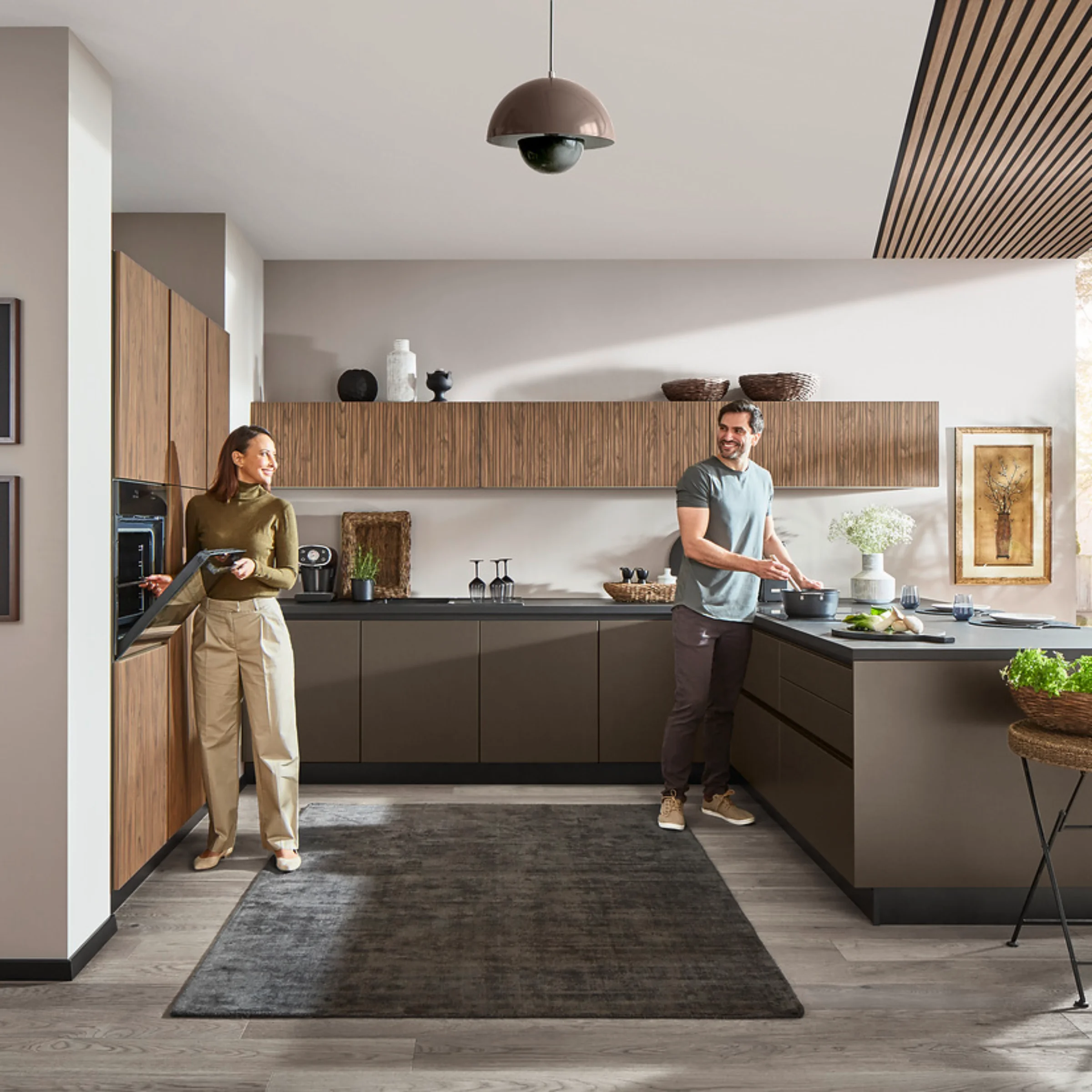
Use storage space intelligently and barrier-free
Accessibility does not mean less storage space – quite the contrary. Well-designed storage solutions ensure that everything remains clearly arranged, within reach, and easily accessible. Pull-outs instead of traditional hinged doors, interior organization systems, and smooth-running mechanisms make all the difference in everyday use.
Wall cabinets can also be designed to be accessible, for example, by reducing their height or using alternative storage concepts that focus more on base cabinets and tall cabinets.
Plan electrical appliances ergonomically
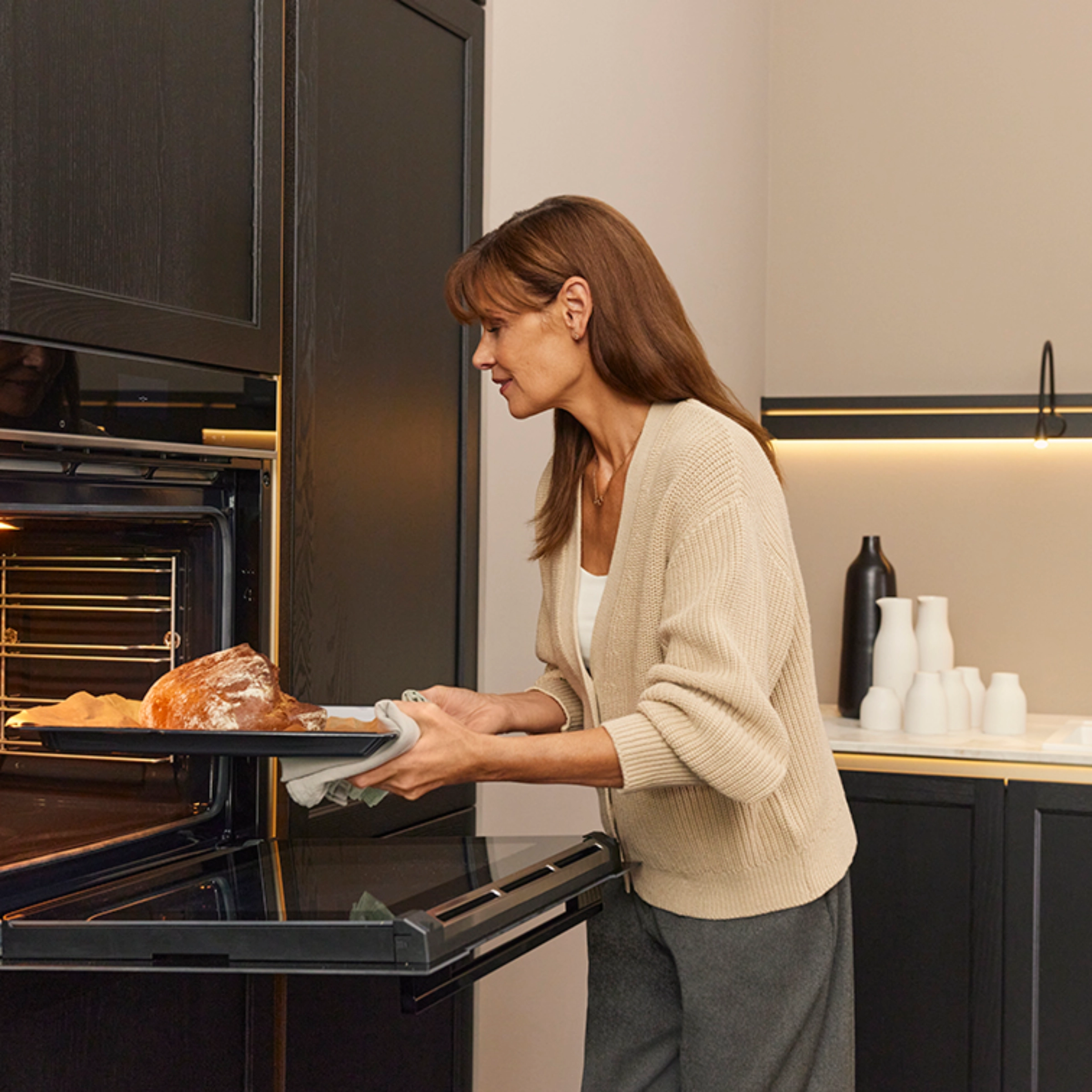
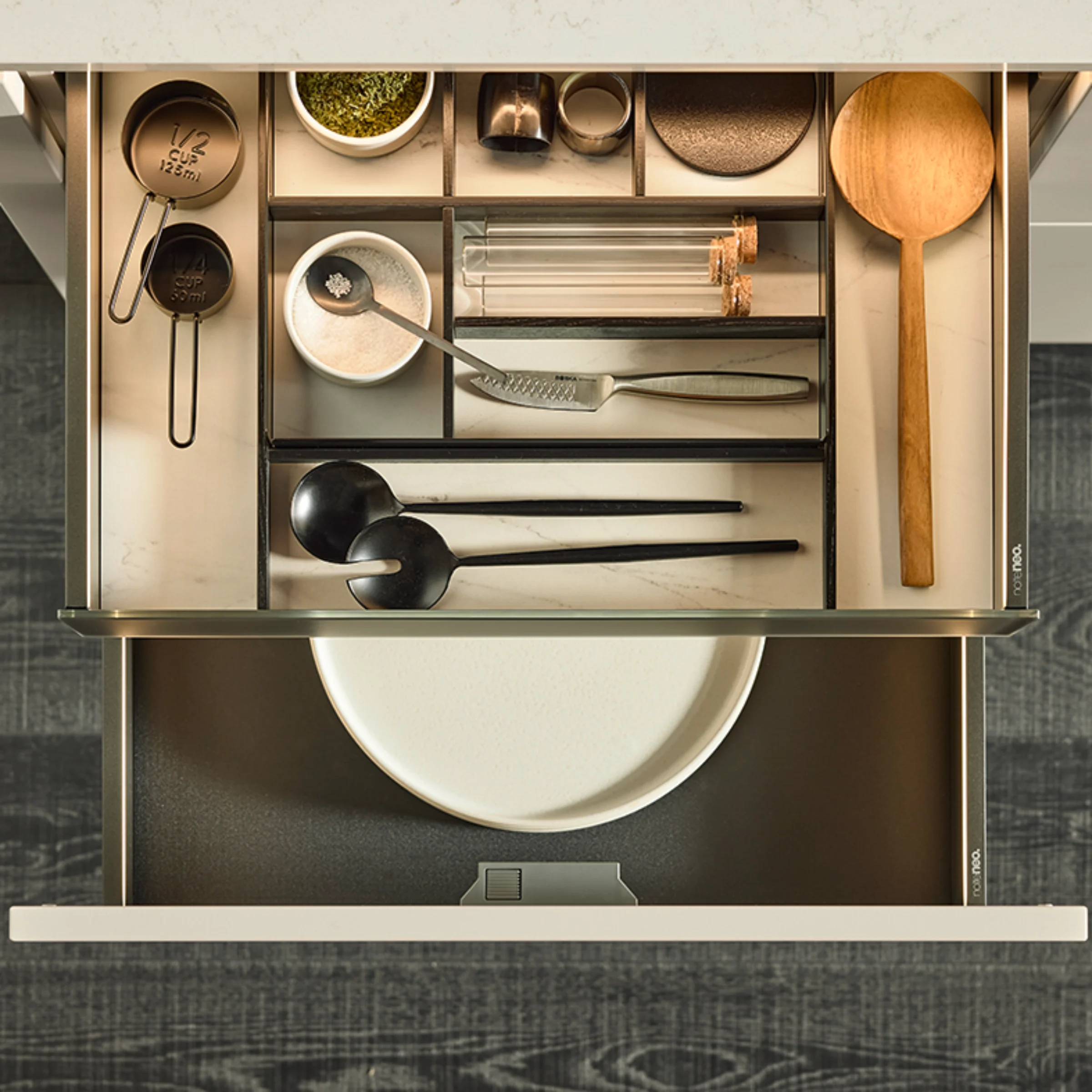
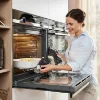
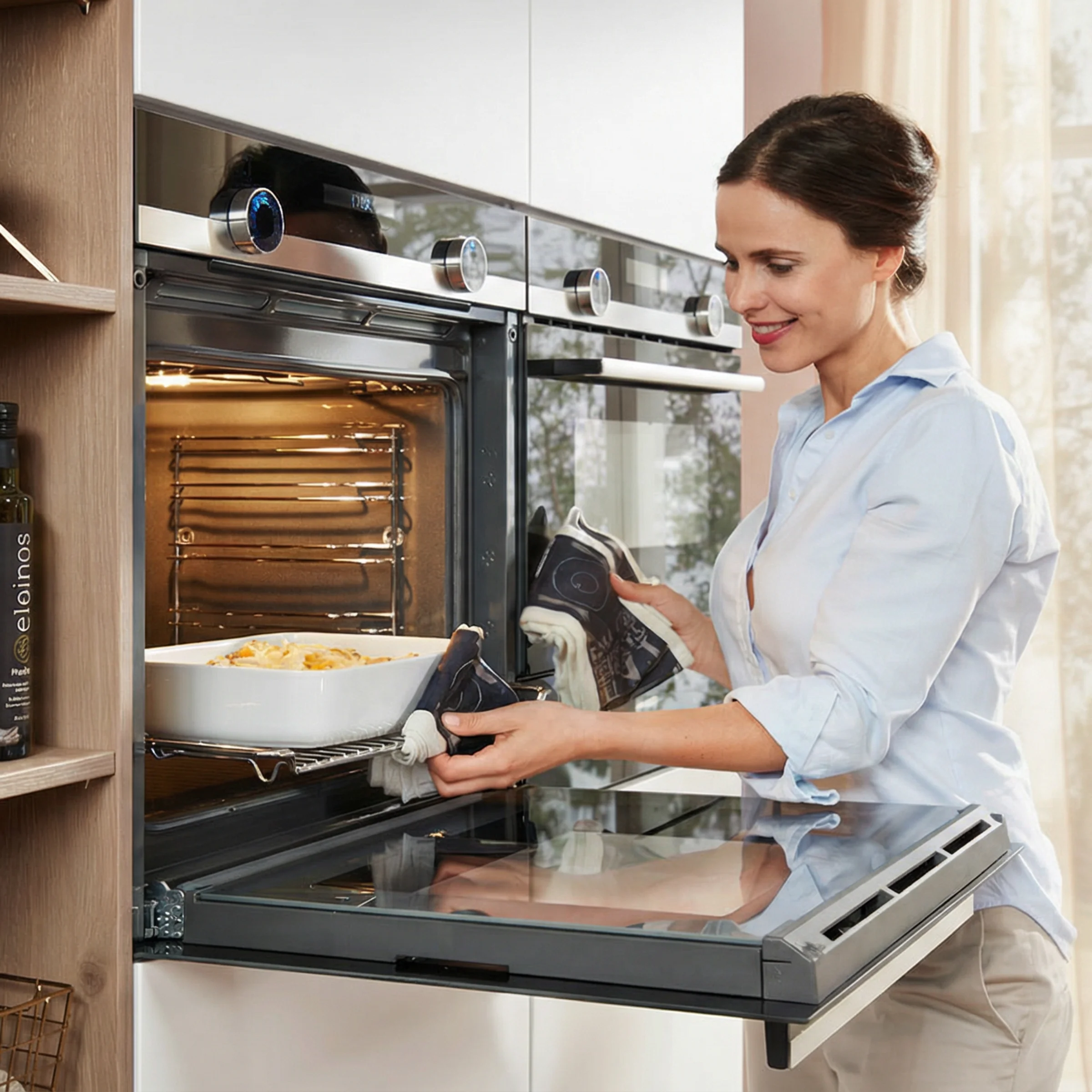
Electrical appliances should be positioned so that they can be operated comfortably and safely. Ovens, dishwashers, and microwaves can be ergonomically integrated into tall cabinets, eliminating the need to bend down. This not only increases comfort but also safety in everyday kitchen use.
.png)
.png)
Standards as guidance – focus on individual planning
Standards such as DIN 18040 serve as important guidelines for barrier-free kitchen planning. Among other things, they define recommended movement areas and dimensions. In practice, however, the focus is always on the individual: good planning takes your personal requirements, habits, and spatial conditions into account.
Qualified kitchen consulting helps to combine standards with individual solutions in a meaningful way – for a kitchen that really suits your life.
Plan accessible kitchens individually with Nolte Küchen
At Nolte Küchen, accessibility is not a rigid concept, but part of flexible, individual planning. Different cabinet heights, a wide range of storage solutions, and ergonomic planning options make it possible to tailor kitchens precisely to your needs. This results in solutions that are functional, comfortable, and aesthetically pleasing.
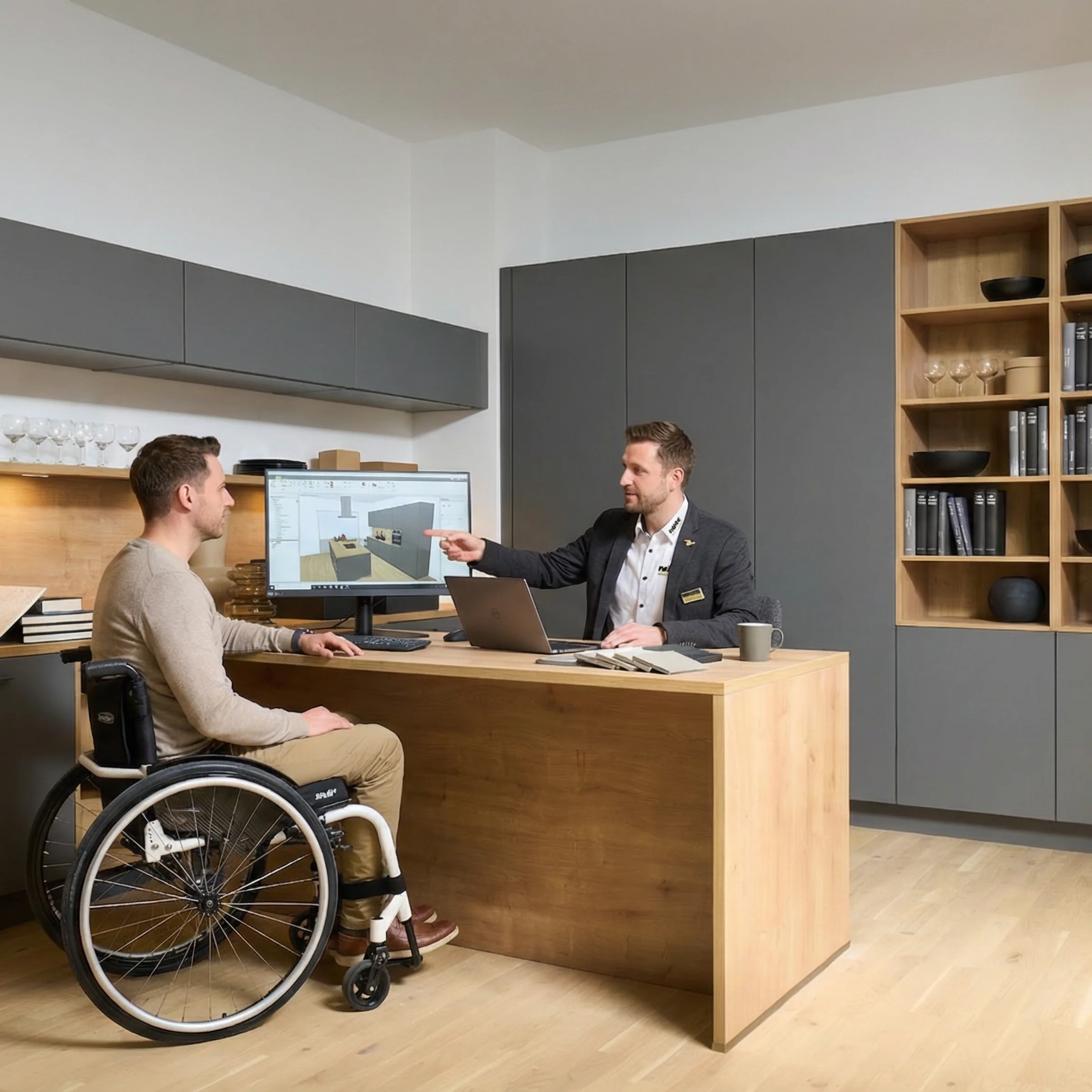
Personal consultation is particularly important to ensure that your accessible kitchen is planned optimally. Qualified Nolte Küchen dealers will help you to identify your requirements and work with you to develop a solution that combines everyday practicality and design.
Use the Nolte dealer search to find expert advice and individual planning in your area.
Personal consultation is particularly important to ensure that your accessible kitchen is planned optimally. Qualified Nolte Küchen dealers will help you to identify your requirements and work with you to develop a solution that combines everyday practicality and design.
Use the Nolte dealer search to find expert advice and individual planning in your area.
FAQ
Frequently asked questions about accessible kitchens
Discover tips and tricks
Discover many more tips and tricks in the Nolte Magazin.